
Rizq and Pledges Supporting Smallholder Farmers Through Kisaan Dost Program in Khanewal
For millions of smallholder farmers across Pakistan, farming is the foundation of family wellbeing, food security, and community resilience. Yet in recent years, climate-related disasters, rising input costs, and limited access to affordable financing have made farming increasingly difficult.
In districts like Khanewal, the impacts of repeated floods and changing weather patterns have left many farming families struggling to recover. Crops have been damaged, soils have weakened, and many farmers have been forced to rely on informal lenders charging high interest rates simply to continue cultivating their land.
Recognising these challenges, Rizq’s Kisaan Dost Program was established to provide a sustainable pathway for agricultural recovery. Since its inception, the program has focused on empowering smallholder farmers through zero-interest input financing, access to quality agricultural inputs, and continuous field-level support. Over the years, Kisaan Dost has supported hundreds of farmers, rehabilitated thousands of acres of farmland, and helped families rebuild their livelihoods with dignity.
Building on this proven model, Rizq is collaborating with Pledges to support vulnerable farming communities in Khanewal through an intervention designed to strengthen agricultural productivity while improving long-term resilience.
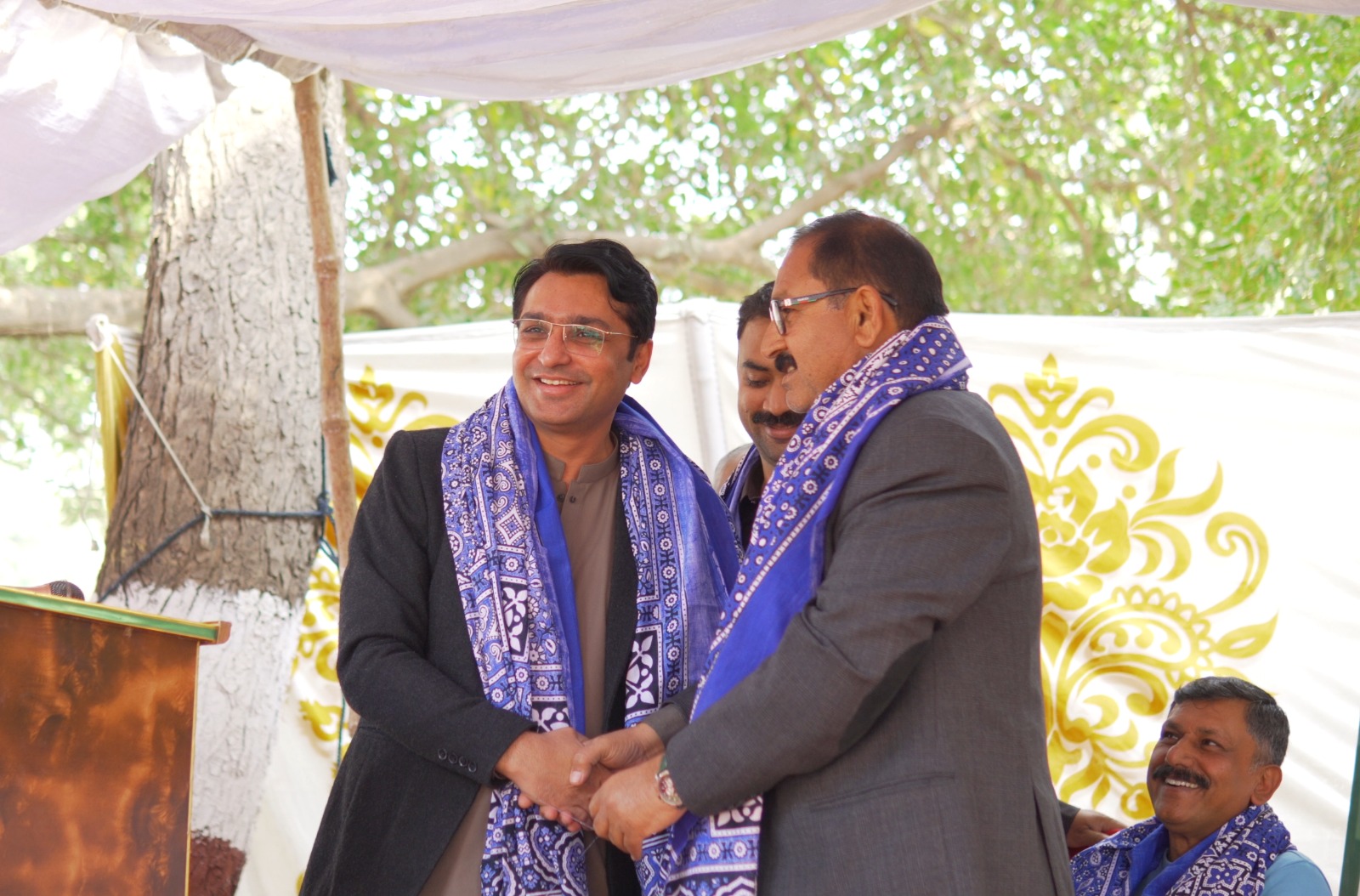
The initiative focuses on providing farmers with access to high-quality maize inputs, including certified seed, fertilisers, micronutrients, and crop protection products. Rather than distributing cash, the program delivers complete input packages directly to farmers, ensuring that resources are invested where they create the greatest impact on the land itself.
Throughout the crop cycle, Rizq’s field teams work closely with participating farmers, offering guidance on sowing techniques, irrigation practices, pest management, and crop nutrition. This hands-on support enables farmers to maximise yields while adopting more efficient and sustainable farming practices.
Maize has been selected as the primary crop due to its strong market demand, relatively short growing cycle, and suitability for post-disaster recovery. By cultivating maize, farmers can generate income within a shorter timeframe, helping them recover more quickly from previous losses while rebuilding confidence in their farming operations.
The program also seeks to strengthen market access for farmers. Through produce aggregation and buyer linkages, farmers are connected with reliable markets that offer fairer and more predictable prices. This reduces dependence on informal intermediaries and helps farmers retain a greater share of the value they create.
When farmers are able to increase yields and generate stable income, entire households benefit. Families gain greater financial security, children are more likely to remain in school, healthcare becomes more accessible, and dependence on exploitative lending decreases significantly. Communities become stronger, more resilient, and better equipped to withstand future challenges.
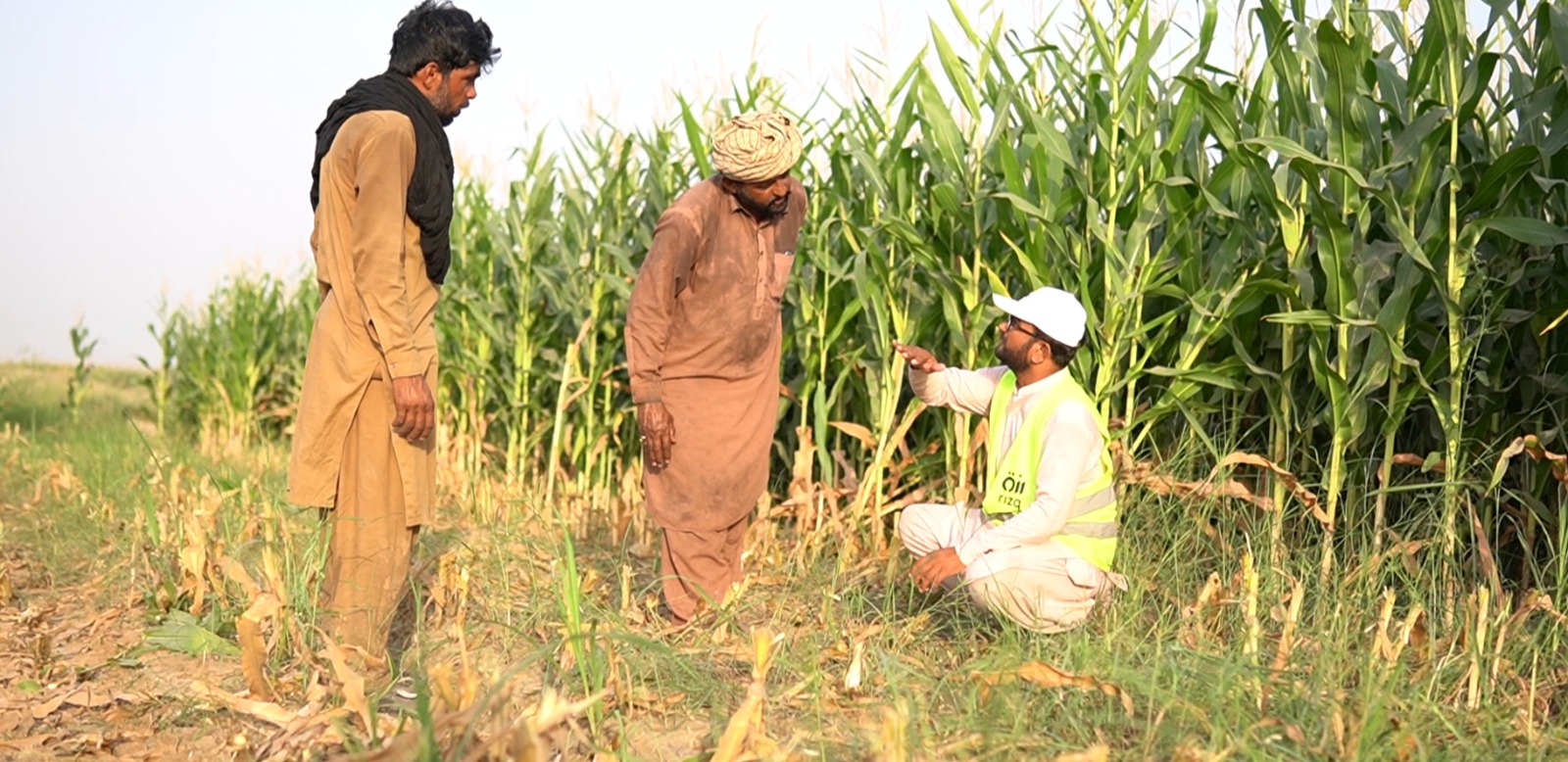
An important feature of the Kisaan Dost model is its emphasis on sustainability. Through a revolving financing structure, recovered funds can be reinvested into future crop cycles, allowing the program to continue supporting farmers long after the initial intervention. This creates a cycle of empowerment rather than dependency.
The partnership between Rizq and Pledges represents a shared commitment to transforming agricultural recovery into long-term development. By supporting smallholder farmers with the resources, knowledge, and opportunities they need, the initiative aims to create lasting change across rural communities.
You Might Also Like
 3 mins read
 4 mins read
January 15, 2026 • Guest Submission
When “Who Do You Know” Matters More Than “What Do You Know”
Read More 3 mins read