
More Women at the Table: Rizq Trust and GAIN Pakistan Boost Nutrition and Women’s Access at Lahore Food Points
Rizq Trust, in collaboration with Global Alliance for Improved Nutrition (GAIN), completed the second phase of improving women nutrition in Pakistan through the Strengthening Nutrition and Women’s Access for Inclusive Food Distribution Networks (FDNs) project in Lahore. Through this project, Rizq teams reached out to 102 women across different communities, while also closely working with 4 distribution sites across the city to identify the challenges women face in accessing FDNs, improving nutritional value of existing recipes while staying in a budget and lastly, communicating these improvements to FDN workers as well as the women in the communities. Through these interventions, nearly 60-70% increase in female attendance was seen at the FDNs through the course of the project.
The project targeted two kinds of FDNs: community dastarkhwans and subsidised food carts. These points serve thousands of meals to low-income workers daily, however, the presence of women on these sites remain limited due to multiple social barriers which impact the comfort they feel in accessing these points. Many sites are crowded, male-dominated and offer little privacy, so women, especially domestic workers and those with caregiving duties, often stay away.
An additional challenge comes with nutritional balance in the food prepared. Free or subsidized food is not always healthy, so in most cases, even when women eat enough in terms of quantity, it is not adequate in terms of quality. Women – across different life phases – have special nutritional needs in terms of protein, minerals and iron, to ensure they lead healthy lives.
Building on an earlier GAIN–Rizq pilot focused on dignity in food access, Phase II set out to tackle both problems at once. The team conducted 36 listening visits, two kitchen observations and a nutrition review of three existing menus at Rizq Khana Food Carts, Rizq Industrial Kitchen, the RUKH Foundation community and Johar Town Dastarkhwan Kitchen.
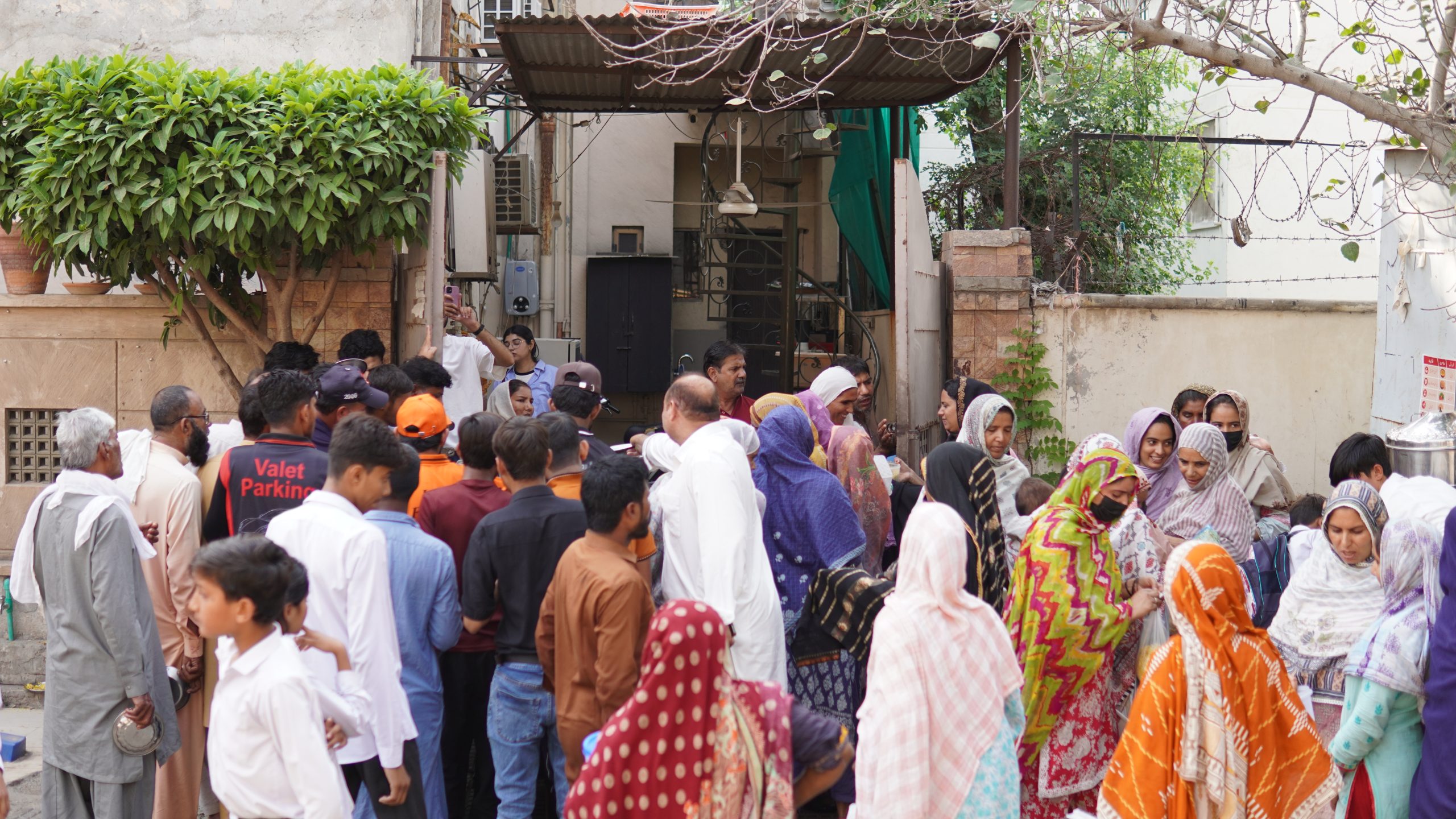
Women returning to food points
Outreach and nutrition awareness sessions reached 102 women, led in part by two women community leaders employed to run regular outreach in their neighbourhoods. These community leaders reached women at their comfort spaces, conversed to them in regards to their needs and challenges to help formulate tangible solutions to their problems.
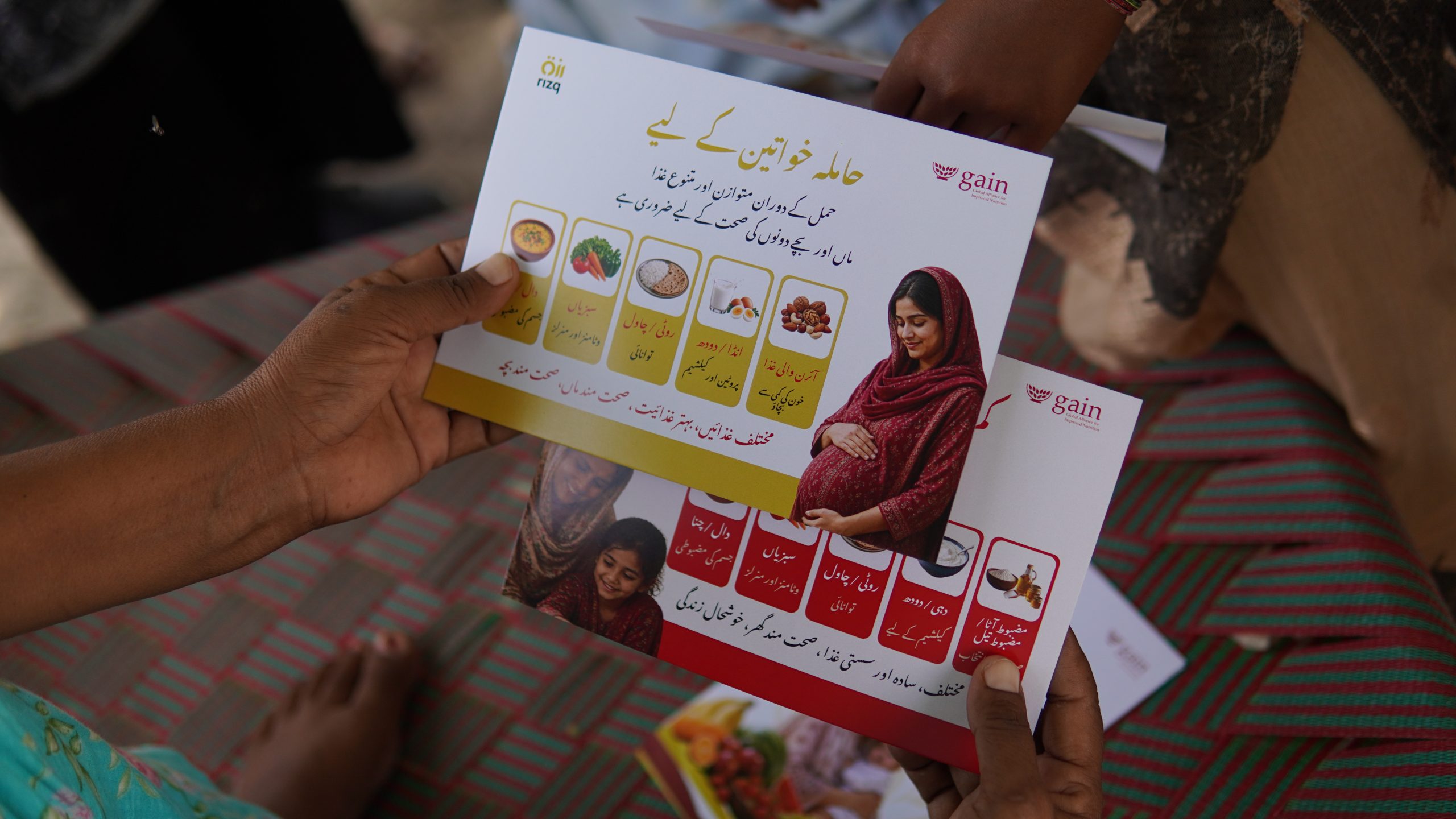
Towards the end of the project, the women were provided with key messages and insights in regards to nutritional needs during adolescence, pregnancy and breastfeeding. These women were also provided with realistic substitutes in their daily diets to increase nutritional value, while their insights were incorporated into the FDNs. These interventions helped increase attendance at Rizq Khana Food Carts by 62.5% and at the Johar Town dastarkhwan by 100% over the course of the project.
Better meals, not new menus
Rather than replacing familiar dishes, a clinical nutrition consultant worked with kitchen teams to improve them, while keeping budgetary constraints in view. For example, fresh fenugreek leaves (methi) were added to Daal Chawal at Rizq Industrial Kitchen to increase nutritional value. Kitchens were also provided with templates to weigh ingredients, standardize serving sizes and improve the overall kitchen process.
Safer, more dignified service
To give women a private way to raise concerns, the project set up three grievance channels: designated female focal persons, dedicated complaint numbers and feedback registers. Safeguarding guidance on consent, confidentiality and respectful communication was built into field work.
A toolkit others can use
The project’s lessons are collected in the Practical Nutrition Cookbook & Outreach Toolkit for Food Distribution Networks, now disseminated to multiple food providers, including improved recipes, kitchen SOPs, simple Urdu nutrition messages, women’s outreach guidance, and ready-to-use templates such as recipe-testing cards, batch records and feedback trackers.
Looking ahead
The attendance figures are early, one-week estimates, and Rizq plans longer-term monitoring to confirm the gains hold. Next steps include keeping the grievance channels active, continuing the women community leaders’ outreach, and running toolkit orientation sessions for other food providers interested in replicating the model.
Rizq Trust is a Lahore-based social enterprise to end hunger and food insecurity in Pakistan through sustainable interventions in food access, sustainable agriculture and youth advocacy. GAIN works to make healthier, safer and more affordable food available to vulnerable communities by empowering partners across government, business and civil society to improve nutrition.
“Projects like these are extremely crucial as they put women at the centre of interventions – not as an afterthought. Female health and nutrition forms the core of strong communities, and it is mandatory for our survival to ensure our women are empowered and fully nourished”, said Loujain Amer, the project lead from Rizq.

You Might Also Like
 5 mins read
November 12, 2026 • Events and Updates
Rizq Leads Pakistani Delegation to Social Business Day, Dhaka; Discusses Pakistan’s Social Business Future with Dr. Muhammad Yunus
Read More 2 mins read
November 12, 2026 • Press Releases
Rizq Scholarship Fund: MOU Signed With LUMS to Fund Education of Deserving Students
Read More 2 mins read
November 12, 2026 • Rizq In the News